







Quick answer: If you find yourself asking “why am I always constipated?”, the most likely culprits are inadequate fiber intake, not drinking enough water, a sedentary lifestyle, and ignoring the body’s natural urge signals. Chronic constipation — defined as fewer than three bowel movements per week with hard, difficult-to-pass stools — affects approximately 22% of Indian adults and is almost always linked to lifestyle factors, medication side effects, hormonal changes, or an underlying gut condition. This guide covers all 10 causes with specific, actionable fixes for each.
If you’re Googling this at 11pm, you’re not alone. Constipation is one of the most common gastrointestinal complaints in India — and it is one of the most under-addressed. Most people try one laxative, get temporary relief, and then cycle back to the same problem without ever understanding what is causing it.
That cycle happens because constipation is rarely caused by a single thing. It is almost always the intersection of multiple factors — diet, hydration, movement, stress, routine, and sometimes medication or hormonal shifts. A 2024 PMC narrative review on gut microbiota and constipation confirms that constipation affects 10–20% of the global population, increases significantly with age, and is more prevalent in women — with the brain-gut axis playing a central role in its pathogenesis. Here are the 10 most common reasons — and what actually helps each one.
What Counts as Constipation?
Before examining causes, it helps to be clear on the definition. The NHS and Mayo Clinic both define constipation as having fewer than three bowel movements per week, with stool that is hard, dry, lumpy, or difficult and painful to pass. It is not just about frequency — consistency and comfort matter equally.
You are likely dealing with constipation if you regularly experience:
Occasional constipation is normal. Chronic constipation — defined by the Rome IV criteria as experiencing two or more of the above symptoms for at least three months — is what this guide addresses.
10 Common Causes of Constipation
1 Not Eating Enough Fiber
This is the most common single cause of constipation in India and globally. Dietary fiber adds bulk to stool and retains water within it, keeping stools soft and easy to pass. The recommended intake is 25–38 grams daily for adults — most Indians consume far less, particularly those eating primarily refined grains (maida), processed snacks, and low-vegetable diets. Both soluble fiber (oats, daal, banana) and insoluble fiber (vegetables, whole wheat, bran) are essential — they work through different mechanisms in the colon.
2 Not Drinking Enough Water
Dehydration is both an independent cause of constipation and a factor that worsens all other causes. The large intestine absorbs water from stool before it is expelled — when the body is dehydrated, it absorbs more water than usual from the colon, leaving stool dry, hard, and difficult to pass. Most Indian adults dramatically underestimate how much fluid they lose to heat, air conditioning, and physical activity.
3 Lack of Physical Activity
The colon responds to physical movement. Exercise stimulates intestinal muscle contractions — the peristaltic waves that move stool through the digestive tract. Sedentary lifestyles, long work-from-home hours, and extended sitting directly slow colonic transit time. This is why desk workers, frequent travellers on planes, and people recovering from illness or surgery are disproportionately constipated.
4 Ignoring the Urge to Go
The urge to defecate is a timed neurological signal — and suppressing it repeatedly has documented consequences. When you delay or ignore the urge — because of a meeting, because a toilet is not available, or simply out of habit — the rectum reabsorbs the stool’s water content and relaxes its urgency signal. Over time, this trains the body’s rectal sensitivity to reduce, requiring increasingly stronger signals before the urge is felt. This is a common pattern in school children, office workers, and frequent travellers.
5 Stress and Anxiety
The gut-brain connection is not metaphorical — it is a documented bidirectional neurological highway. The Canadian Digestive Health Foundation’s analysis of the gut-brain axis confirms that psychological stress directly impacts gut motility. Under stress, the body diverts blood flow away from the digestive system toward the muscles — slowing peristalsis. Stress also alters gut microbiome composition and increases intestinal permeability. A 2025 PMC meta-analysis of 18 studies (730,263 participants) found a statistically significant association between chronic constipation and depression — mediated through the gut-brain axis.
6 Changes in Routine — Travel, Sleep, Diet
The gut operates on its own circadian rhythm — bowel movements are most common in the morning hours when peristaltic activity peaks. Disruptions to sleep schedule, meal timing, time zones, or food patterns all dysregulate this rhythm. Travel constipation is one of the most universally reported gut complaints — it combines dehydration (flights), sedentary sitting, altered food, changed time zones, and unfamiliar bathrooms that trigger urge suppression.
7 Certain Medications
Multiple commonly prescribed medications list constipation as a documented side effect: opioid painkillers (including codeine-based cough syrups) severely slow gut motility; antacids containing aluminium or calcium (widely used for acidity in India) slow colonic transit; iron supplements prescribed in pregnancy and anaemia directly harden stool; antidepressants and antipsychotics with anticholinergic activity reduce gut motility; calcium channel blockers for blood pressure slow intestinal smooth muscle.
8 Too Much Dairy or Low-Fiber Processed Food
High dairy consumption — particularly full-fat milk, paneer, and cheese — can slow bowel transit in some people, particularly those with lactose sensitivity. Simultaneously, a diet heavy in low-fibre processed foods (biscuits, namkeen, packaged breads, fast food) provides minimal bulk for the colon to work with, dramatically reducing stool volume and slowing transit. The combination of high-fat, low-fibre eating is one of the most common dietary patterns driving constipation in urban India.
9 Hormonal Changes — Pregnancy, Thyroid, Menstrual Cycle
Hormones have a direct and significant effect on gut motility. Progesterone — which rises during pregnancy and the luteal phase of the menstrual cycle — relaxes smooth muscle including the intestinal wall, slowing transit. This is why constipation is near-universal in pregnancy, and why many women experience it in the week before menstruation. Hypothyroidism (underactive thyroid) reduces the metabolic rate of all body systems including the gut — making chronic constipation one of its most common and diagnostically important symptoms.
10 Underlying Conditions — IBS, Diabetes, Hypothyroidism
When lifestyle factors have been addressed and constipation persists, an underlying condition is likely responsible. IBS-C (irritable bowel syndrome with constipation) affects approximately 11% of the global population and involves a functional motility disorder with no structural cause but significant real symptoms. Type 2 diabetes causes autonomic neuropathy that reduces intestinal nerve function and slows transit — diabetic constipation is common and often untreated. Pelvic floor dysfunction and anorectal disorders prevent effective evacuation despite normal colonic transit.
Abbott India’s nationwide Gut Health Survey found that 22% of Indian adults suffer from constipation — significantly higher than the global average of 16%. Key Indian-specific drivers include low dietary fibre intake from refined grain diets, high heat-driven dehydration, sedentary desk-work lifestyles in metros, and stress from long working hours — a convergence of causes 1, 2, 3, and 5 from this list simultaneously.
When Should You Worry About Constipation?
Most constipation is functional — it responds to lifestyle changes and does not signal anything serious. However, certain patterns require prompt medical evaluation:
- No bowel movement for 5 or more days despite dietary and hydration changes
- Blood in stool or rectal bleeding — always requires evaluation to rule out serious causes
- Severe or new-onset abdominal pain accompanying constipation
- Unexplained weight loss alongside changed bowel habits
- Needing laxatives repeatedly to have any bowel movement — laxative dependence requires clinical management
- Alternating constipation and diarrhoea — a pattern that can indicate IBS or other conditions
- New constipation in adults over 50 without a clear lifestyle cause — warrants screening
How to Relieve Constipation Naturally
For the majority of people with functional constipation driven by lifestyle factors, these evidence-based natural interventions are the most effective starting point:
Increase fiber gradually — not all at once
The most common mistake is adding large amounts of fiber suddenly, which causes gas and bloating and often leads people to give up. Add one fiber-rich food per day for two weeks. Target foods: dal (lentils), sabzi (cooked vegetables), whole fruits, atta roti, oats, and soaked flaxseed. Isabgol (psyllium husk) mixed in warm water at night is one of the most effective, fast-acting natural fiber supplements.
Reach realistic hydration targets
2.5–3.5 litres of total fluid daily, including water, warm herbal teas, dal, and high-water-content foods. Begin every morning with two glasses of warm water on an empty stomach — this activates the gastrocolic reflex that triggers bowel movement in most people within 20–30 minutes.
Move — even 20-minute walks count
Post-meal walks of 15–20 minutes stimulate colonic motility more effectively than most over-the-counter laxatives for mild constipation. Yoga poses — specifically Pawanmuktasana (wind-releasing pose), Malasana (squat pose), and Trikonasana — have documented benefits for gut motility and are part of classical Ayurvedic gut health protocols.
Build a gut-friendly morning routine
The colon is most active in the early morning hours. Going to the toilet at the same time every morning — whether or not the urge is felt — trains the gastrocolic reflex over 2–4 weeks into a reliable daily rhythm. Never rush. Never use a phone in the bathroom — distraction suppresses the parasympathetic nervous system that enables comfortable evacuation.
Natural and Ayurvedic support — Triphala and other herbs
Triphala — the classical Ayurvedic combination of Baheda (Terminalia bellirica), Harar (Haritaki/Terminalia chebula), and Amla (Emblica officinalis) — is one of the most used Ayurvedic formulations for constipation worldwide. Each of the three fruits has distinct but complementary bowel-regulatory activity: Harar stimulates gut motility, Baheda has mild laxative properties, and Amla nourishes the gut lining and reduces inflammation. Aloe vera, Senna (Sanay), and Saunth (dry ginger) are other well-documented Ayurvedic ingredients for constipation support.
Ayurveda’s Take on Constipation
In Ayurveda, constipation is primarily understood as a Vata imbalance — specifically, an excess of dry, rough, and cold qualities that reduce the smooth, moist motility of the colon (called Apana Vata in Ayurvedic physiology). The classical Ayurvedic approach to constipation combines three strategies: Snehana (oleation — lubricating the colon with oils like castor oil), Virechana (purgation using herbs like Senna and Haritaki), and Tridoshic Rasayana (restoration through Triphala).
Modern Ayurvedic formulations for constipation draw directly from these classical principles — combining laxative herbs (Senna, castor oil) with motility-supporting herbs (Saunth/dry ginger, Hing/asafoetida) and gut-nourishing herbs (Aloe vera, Amla, Shankhpushpi). This multi-herb approach is more sustainable than single-ingredient laxatives because it addresses both immediate relief and long-term gut function.
Herbal formulations combining Triphala-based ingredients and carminative herbs like these have been traditionally used for centuries to support bowel regularity — and are increasingly being validated in modern gut health research for their mechanism-based activity on colonic motility.
Also Read on Lifeyco
- Dry Cough vs Wet Cough — What’s the Difference and What Causes Each?
- 7 Chyawanprash Benefits That Make It Worth Eating Daily
- Why Do I Keep Getting Headaches? 10 Common Triggers
Sources and Research References
- NHS. Constipation — Causes, self-care and when to seek help. nhs.uk
- PMC. Gut microbiota and constipation — state-of-the-art narrative review. 2024. PMC13429471
- PMC. Constipation and depression — systematic review and meta-analysis (730,263 participants). 2025. PMC13444242
- Canadian Digestive Health Foundation. Constipation and the gut-brain axis. 2024. cdhf.ca
- PubMed. Prevalence of constipation among the general population — India community-based survey. 2014. PubMed ID: 25461464
- Abbott India. Gut Health Survey — 22% of Indian adults suffer from constipation. abbott.in
- Wikipedia. Constipation — Definition, causes, and management. Wikipedia
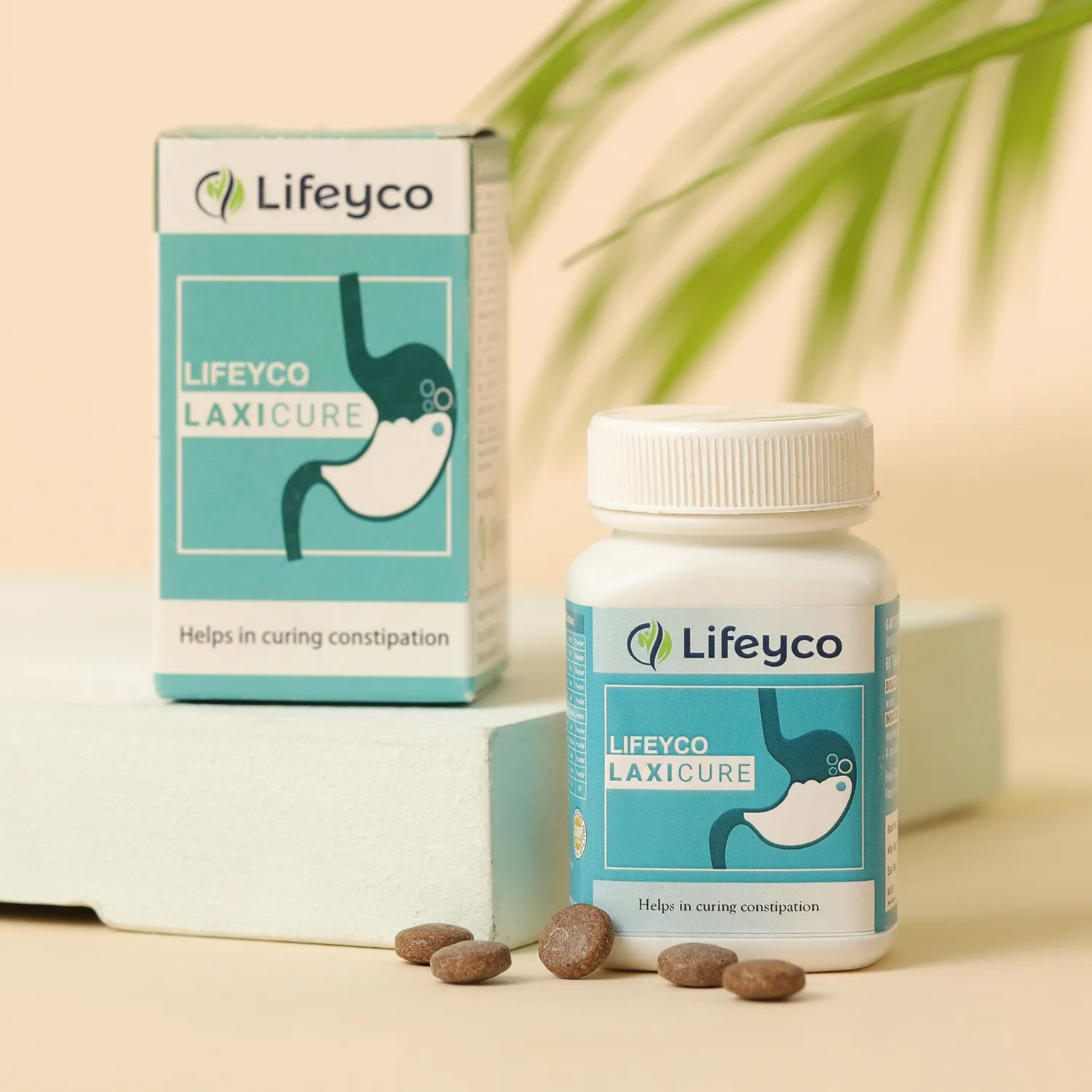
Lifeyco Laxicure Tablet — 60 Tablets
Ayurvedic formulation with Baheda, Harar Kali, Amla (Triphala), Aloe Vera, Senna (Sanay), Dry Ginger (Saunth), Hing Shudh & Castor Oil. Helps support bowel regularity and improve digestive function. AYUSH Approved, GMP Certified (Licence No: 1264-ISM HR).
Dosage: 1 tablet with warm water at bedtime, or as directed by a physician.
New customer? Use code WELCOME10 for 10% off your first order.
Disclaimer: This article is for educational and informational purposes only. Lifeyco Laxicure Tablet is a traditional Ayurvedic dietary supplement — based on traditional Ayurvedic principles, not intended to diagnose, treat, cure, or prevent any disease. Research references are linked for transparency. For persistent, severe, or blood-associated constipation, consult a qualified gastroenterologist or healthcare professional promptly.
FAQ
How many days without pooping is considered constipation?
Medically, having fewer than three bowel movements per week is the primary clinical threshold for constipation. However, going more than three days without a bowel movement — particularly with hard, difficult-to-pass stools — is already uncomfortable and warrants attention. If you have not had a bowel movement for five or more days, especially with abdominal pain, see a doctor.
Can stress alone cause constipation?
Yes. Stress directly slows gut motility through the gut-brain axis — a bidirectional neurological network connecting the central nervous system and the gastrointestinal tract. Under psychological stress, the body diverts blood flow away from digestion and alters gut motility signals. A 2025 PMC meta-analysis of 730,263 participants confirmed a significant association between chronic constipation and depression/anxiety mediated by gut-brain axis dysfunction.
What foods should I avoid if I’m constipated?
The main foods that worsen constipation are: refined grains (maida-based bread, biscuits, white rice in excess), high-fat dairy in large quantities (paneer, full-fat milk, cheese), red meat with low fibre, fried and processed snacks, alcohol, and excess caffeine without adequate hydration. None of these need to be eliminated completely — the focus should be on increasing fibre alongside them rather than restriction alone.
Is it okay to take a laxative every day?
Stimulant laxatives (like senna-based products) should not be used daily long-term without medical supervision — prolonged daily use can reduce the colon’s natural motility over time. However, bulk-forming laxatives (psyllium/isabgol) and osmotic laxatives (lactulose) are generally safe for extended daily use. Ayurvedic formulations combining herbs like Triphala and Aloe Vera are considered appropriate for more regular use when taken as directed.
What’s the fastest natural remedy for constipation?
The combination of warm water on waking, followed by physical movement (a 15–20 minute walk), and then breakfast with high-fibre food activates the gastrocolic reflex and works within 30–60 minutes for most people with functional constipation. Castor oil (1–2 teaspoons in warm milk at night) and Isabgol in warm water before sleep are among the fastest-acting classical Ayurvedic remedies — typically effective within 6–12 hours.